Our guides
Latin Quarter history, from Lutetia to the barricades
Why the Latin Quarter is called that, what remains of Roman Lutetia, how the University and the Sorbonne grew here, and the dates that shaped the district. Checked October 2026.
A name from a language
The district is named after its language. Latin was the language of teaching at the University, and of its students, until the Revolution. In the seventeenth century, writers began to call the University the “pays latin”, a coinage credited to Guez de Balzac. “Quartier latin” replaced “pays latin” at the end of the eighteenth century; its schools are far older than the name.
Lutetia first
Roman Lutetia spread around a forum that lay under the present rue Soufflot, and the cardo, the north–south axis, matches rue Saint-Jacques and boulevard Saint-Michel. Among what remains are the baths now in the Musée de Cluny and the arènes de Lutèce, probably built between the end of the first and the start of the second century. They held about 15,000 spectators, according to old estimates. Forgotten for centuries, they came back to light when rue Monge was cut in 1867 and 1868, and were listed as a historic monument in 1884. More recent digs, at 20 rue Cujas in 2022, found a residential quarter from the reign of Augustus. Rue Mouffetard keeps a Late Empire road. See also the Cluny Museum and rue Mouffetard.
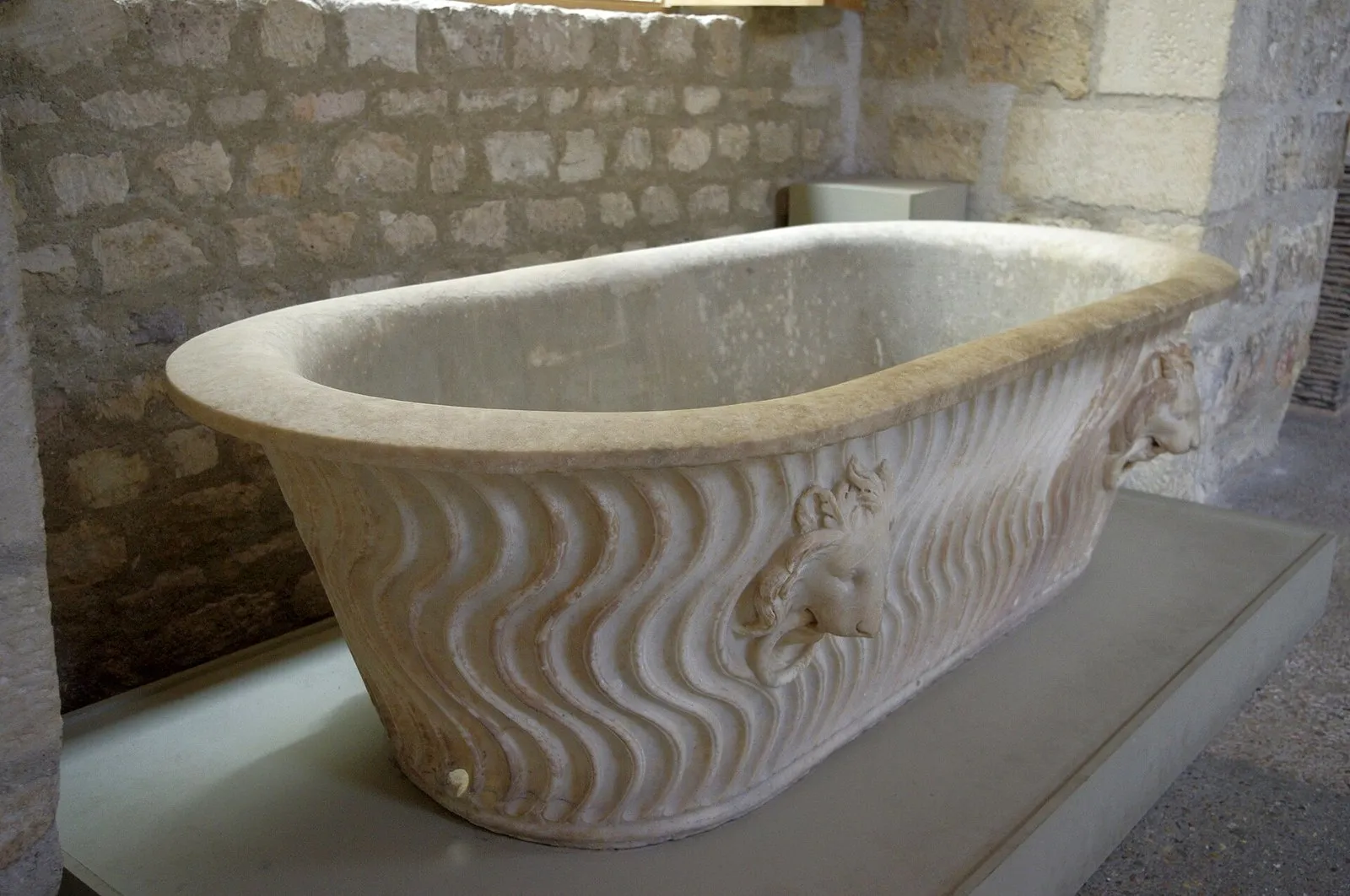
Photo: Traumrune, CC BY-SA 3.0, via Wikimedia Commons

The University on the hill
At the start of the twelfth century, Peter Abelard and his pupils crossed to the Left Bank. The schools of the Montagne Sainte-Geneviève produced the University of Paris, recognised by Philip Augustus in 1200 and given its statutes by the legate Robert de Courçon in 1215. Paris was then divided in three: the Cité, the Ville on the Right Bank and the Université on the Left. In 1253 Robert de Sorbon, chaplain of Saint Louis, founded a college for poor theology students; it gave its name to the Sorbonne, where the first printing press in France was installed in 1470.
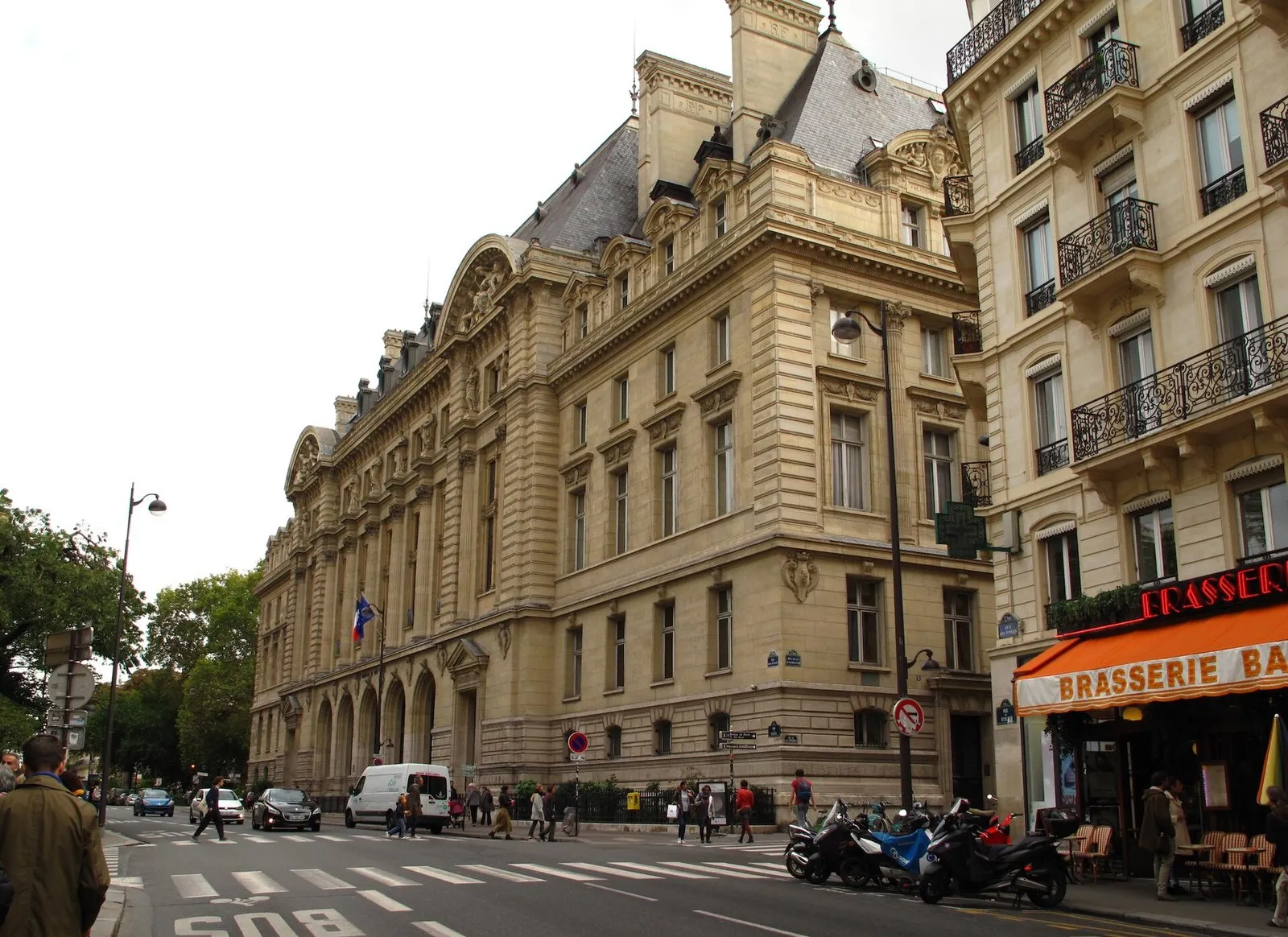
Photo: Rutger van der Maar, CC BY 2.0, via Wikimedia Commons

Haussmann and May 1968
Under the Second Empire, the works of Haussmann cut boulevard Saint-Michel, from 1855, and boulevard Saint-Germain, and swept away much of the medieval fabric. The church of Saint-Séverin has its own guide. The district’s modern memory is May 1968: on 3 May the police cleared the Sorbonne courtyard, and on the night of the barricades, 10 to 11 May, demonstrators unpaved the streets.
Seeing it on foot
A walk can follow the layers: baths at Cluny, the Sorbonne, the Panthéon and the arènes. Our guide to things to do in the Latin Quarter gives the opening days, and the Latin Quarter guide places each site. For a bed, compare the hotels near the Sorbonne and the hotels near the Panthéon.
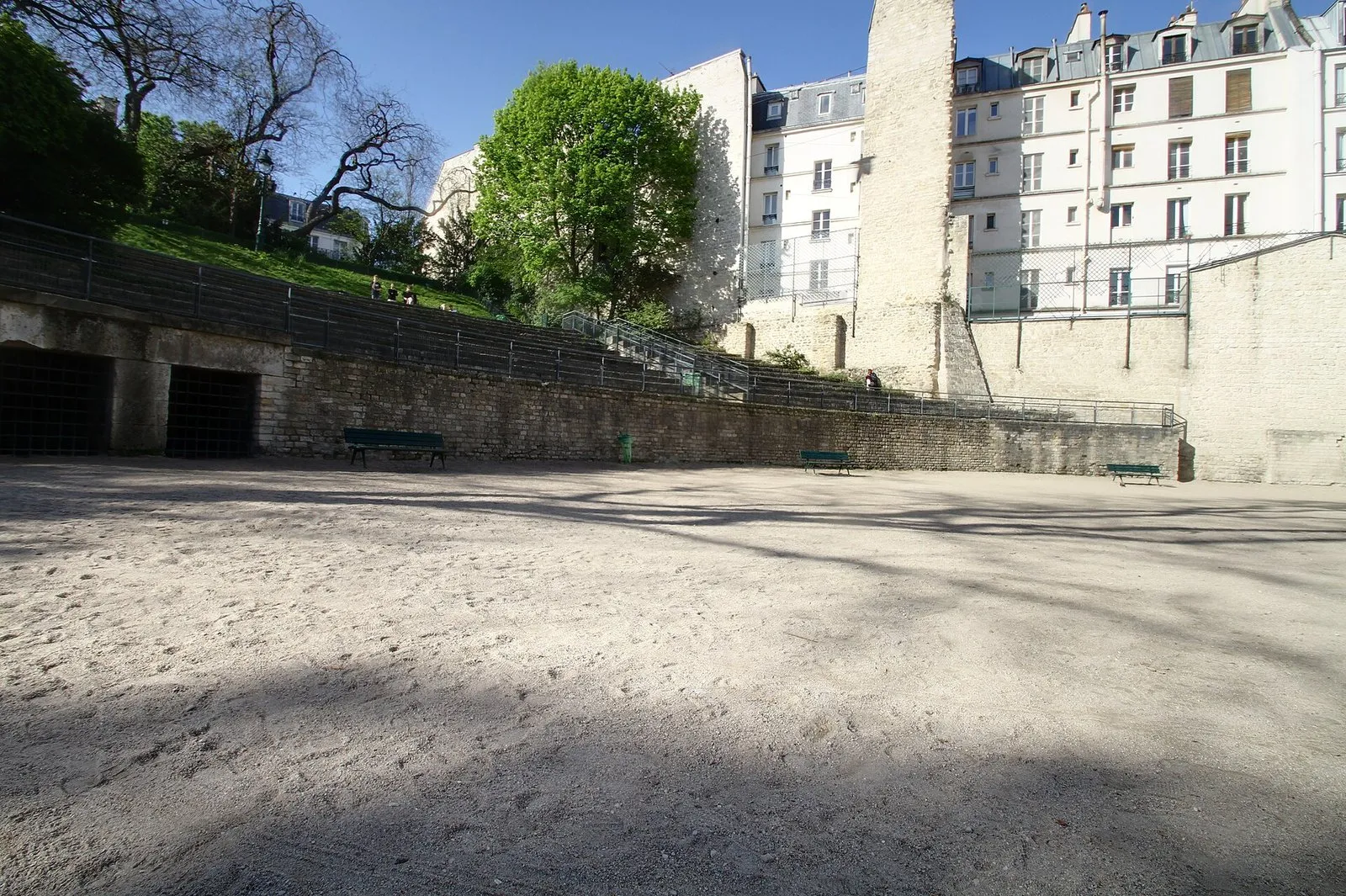
Photo: Chris Waits, CC BY 2.0, via Wikimedia Commons

History and distinctive features
- In the seventeenth century authors jokingly called the University the “pays latin”, because Latin was used so heavily in teaching; the coinage is attributed to Guez de Balzac. “Quartier latin” replaced “pays latin” at the end of the eighteenth century. Source : fr.wikipedia.org
- Roman Lutetia spread around a forum under today’s rue Soufflot. Its north–south axis, the cardo, matches rue Saint-Jacques and boulevard Saint-Michel; the Cluny baths and the arènes de Lutèce survive. Source : fr.wikipedia.org
- The Sorbonne takes its name from Robert de Sorbon, chaplain and confessor of Saint Louis, whose college was founded in 1253. The first printing press in France was installed in its walls in 1470. Source : sorbonne.fr
- Excavations at 20 rue Cujas in 2022 revealed the first traces of a residential quarter laid out under Augustus (27 BC to AD 14), and thousands of oyster shells. Source : paris.fr
Frequently asked questions
Why is it called the Latin Quarter?
Because Latin was the language of teaching, spoken by students until the Revolution. In the seventeenth century authors called the University the “pays latin”, and the phrase “quartier latin” replaced it at the end of the eighteenth century.
Is there a Latin Quarter history museum?
Not as such. The Musée de Cluny, the national museum of the Middle Ages, occupies the Gallo-Roman baths and the mansion of the abbots of Cluny. For the general history of Paris, the reference museum is the Carnavalet, in the 3rd arrondissement.
What is left of Roman Paris in the district?
The Cluny baths, at the corner of boulevards Saint-Germain and Saint-Michel, and the arènes de Lutèce, which probably date from the end of the first or the start of the second century. Rue Saint-Jacques and boulevard Saint-Michel follow the old north–south axis.
When did the University of Paris begin?
Peter Abelard and his pupils settled on the Left Bank at the start of the twelfth century. The schools of the Montagne Sainte-Geneviève gave birth to the University of Paris, recognised by Philip Augustus in 1200, and Robert de Courçon gave it statutes in 1215.
What happened in the Latin Quarter in May 1968?
The police cleared the Sorbonne courtyard on 3 May 1968. On the night of 10 to 11 May, known as the night of the barricades, demonstrators tore up the streets’ paving stones, and students then occupied the Sorbonne for more than a month.
How old is rue Mouffetard?
It follows a road of the Late Empire, from the third or fourth century, which ran from the Petit-Pont towards the Bièvre and the road to Lyon.